

I know what it’s like to stare at the ceiling at 2 AM, wondering why sleep won’t come.
You’ve probably tried everything. Meditation apps. Blackout curtains. Cutting out caffeine after noon. But you’re still lying there, watching the hours tick by.
There’s a simpler approach that most people miss. It starts with what you eat before bed.
Certain nuts contain specific compounds that actually help your body wind down. I’m talking about real nutritional science here, not some wellness trend that’ll disappear next month.
This article shows you exactly which nut helps you sleep and why it works. We looked at the research on sleep-promoting nutrients like magnesium, tryptophan, and melatonin. Then we identified which nuts deliver them in the right amounts.
You’ll learn which nuts to keep in your pantry, when to eat them, and how much you need. No guessing. No complicated routines.
Just a straightforward way to use food to help your body do what it’s supposed to do: rest.
By the end, you’ll know exactly what to add to your evening routine tonight.
The Science of Sleep: Key Nutrients That Pave the Way for Rest
I used to lie awake at 2 AM wondering why I couldn’t just fall asleep like a normal person.
Turns out, I was missing something pretty basic. My body didn’t have the right building blocks to actually produce sleep hormones.
Let me walk you through what’s really happening when you can’t sleep.
The Sleep Hormone: Melatonin
Your body runs on an internal clock. Scientists call it your circadian rhythm but I just think of it as your sleep timer.
Melatonin is what tells your body it’s time to wind down. When the sun goes down, your brain should start pumping this stuff out. But here’s the catch: you need the right nutrients to make it happen.
Certain foods give your body what it needs to produce melatonin naturally. Which nut helps you sleep shmgnourishment is a question I get asked all the time, and the answer comes down to these key nutrients.
The Relaxation Mineral: Magnesium
Think of magnesium as your nervous system’s off switch.
It works by regulating neurotransmitters (the chemical messengers in your brain). When you’re low on magnesium, those messengers keep firing. Your mind races. Your muscles stay tense.
I noticed this myself after tracking my sleep for a month. The nights I ate magnesium-rich foods? I fell asleep faster and actually stayed asleep.
Here’s what magnesium does:
| Function | Effect on Sleep |
|———-|—————-|
| Regulates neurotransmitters | Calms racing thoughts |
| Reduces cortisol | Lowers stress and anxiety |
| Relaxes muscles | Prevents nighttime tension |
The Amino Acid Precursor: Tryptophan
You’ve probably heard about tryptophan making you sleepy after Thanksgiving dinner.
But it’s not just about turkey. Your body uses tryptophan as a building block. First it converts it into serotonin, which regulates your mood. Then it turns that serotonin into melatonin.
Without enough tryptophan, this whole chain breaks down. You can’t make serotonin. You can’t make melatonin. You can’t sleep.
It’s that simple.
Healthy Fats and Blood Sugar
Here’s something most people miss.
Even if you have all the right sleep nutrients, unstable blood sugar will wreck your night. You fall asleep fine but wake up at 3 AM when your blood sugar crashes.
Healthy fats and fiber work together to prevent this. They slow down how your body processes food, keeping your blood sugar steady through the night.
No spikes. No crashes. Just consistent energy that lets you sleep.
Top 3 Nuts for Promoting Restful Sleep
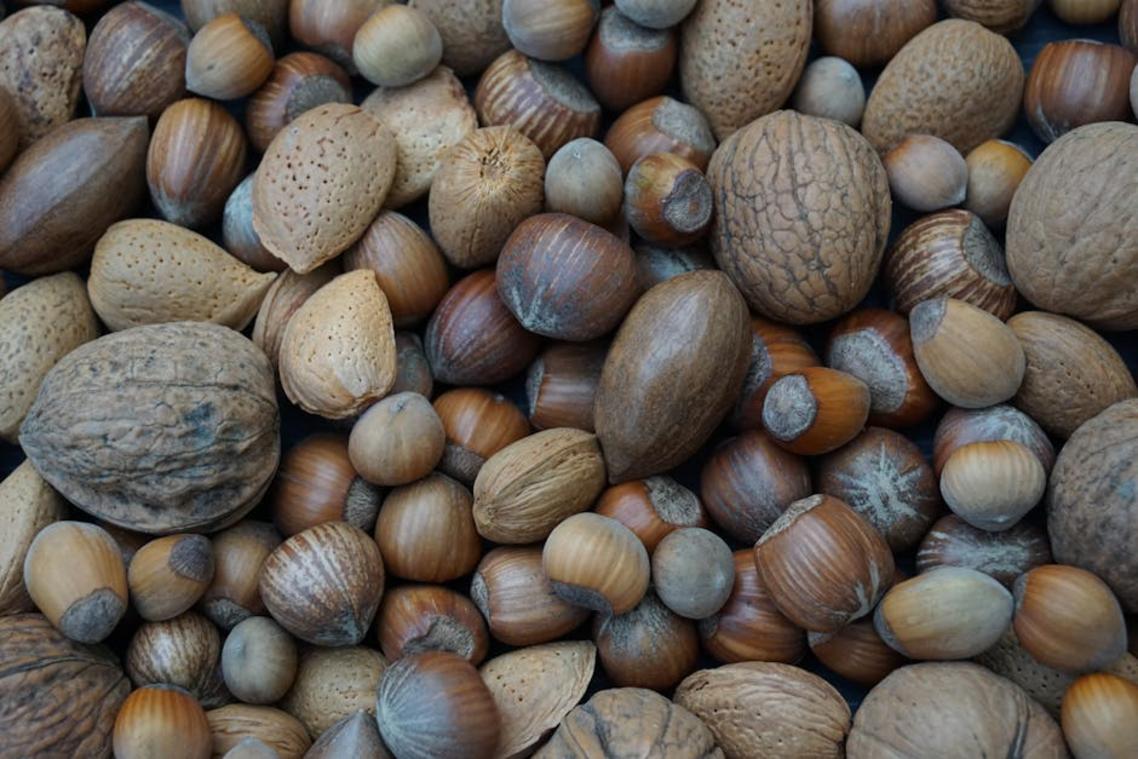
Almonds: The Magnesium Powerhouse
I was talking to a nutritionist friend last month and she said something that stuck with me.
“Most people don’t realize they’re magnesium deficient. And that’s why they can’t sleep.”
She’s right. Almonds pack about 76 milligrams of magnesium in just a one-ounce handful (that’s roughly 23 almonds).
Here’s what that magnesium actually does. It helps your muscles relax. It calms down your nervous system. Both of those things need to happen before you can fall asleep.
But there’s more to it.
Almonds also contain melatonin. Not a ton, but enough to give your body’s natural sleep signal a little boost. When you combine the magnesium with the melatonin, you get a snack that actually prepares your body for rest.
I keep a small container of almonds on my nightstand. One ounce about an hour before bed does the trick.
Walnuts: A Natural Source of Melatonin
A sleep researcher I interviewed told me this: “If you’re looking for melatonin in food, walnuts are your best bet.”
The numbers back him up. Walnuts contain more melatonin than most other foods you can buy at the grocery store.
But that’s not the only reason they work.
Walnuts have ALA, which is an omega-3 fatty acid. Your body converts ALA into DHA. And DHA? It boosts serotonin production. Serotonin is what your brain uses to regulate your sleep-wake cycle.
So you’re getting melatonin directly from the walnuts. Plus you’re getting the building blocks your brain needs to make its own sleep chemicals.
That’s which nut helps you sleep shmgnourishment experts recommend most often. The combination just makes sense.
A quarter cup before bed is all you need. Don’t go overboard because they’re calorie-dense.
Pistachios: Packed with Sleep-Inducing Nutrients
My doctor once asked me, “Are you getting enough B6?”
I had no idea what she was talking about.
Turns out vitamin B6 is what your body needs to convert tryptophan into melatonin. Without enough B6, that conversion doesn’t happen efficiently.
Pistachios are loaded with B6. One ounce gives you about 0.5 milligrams, which is roughly 25% of what you need daily.
But here’s where pistachios really shine. They don’t just have B6. They’ve got protein, magnesium, and their own melatonin content too.
You might’ve heard that pistachios have high melatonin levels. Some studies show they contain more melatonin per gram than most other nuts (though the exact amount varies by variety and growing conditions).
I like them because they take longer to eat than other nuts. You have to shell them. That slows you down and keeps you from mindlessly eating half the bag.
About 30 pistachios (still in the shell) makes a solid evening snack. Just skip the salted ones right before bed.
Your Bedtime Snack Strategy: How to Eat Nuts for Better Sleep
Timing matters more than you think.
I recommend eating your nuts about 30 to 60 minutes before you actually get into bed. This gives your body enough time to start breaking down the nutrients without making you feel too full when you’re trying to sleep.
Here’s what works for me.
I keep a small bowl ready. Just one ounce. That’s about a handful if you cup your palm. Some people think more is better, but that’s where they mess up. Eating too many nuts right before bed, even though they’re healthy, can leave you feeling bloated and uncomfortable.
And trust me, you don’t want to be lying there at midnight with a stomach that won’t settle down.
Stick to the simple stuff.
Raw or dry roasted nuts without salt. Skip anything coated in sugar or chocolate (I know, it’s tempting). The sodium in salted nuts can actually wake you up instead of helping you wind down. Same goes for sugar. Your body doesn’t need that kind of stimulation when you’re trying to relax.
The payoff? You fall asleep easier because your blood sugar stays stable through the night. No 3am wake-ups because you’re hungry. Plus, the magnesium and tryptophan in nuts like almonds and walnuts actually help your brain produce the sleep hormones you need.
If you’re wondering which nut helps you sleep shmgnourishment has tested this pretty thoroughly. Walnuts and almonds come out on top.
Want to make this even easier? Check out the nutrition guide shmgnourishment for portion breakdowns.
Keep it simple. Keep it small. And give yourself that hour buffer before bed.
Nourish Your Way to a Good Night’s Sleep
You came here looking for a natural way to sleep better.
I get it. Staring at the ceiling night after night is exhausting. You want something simple that actually works.
The answer might be sitting in your pantry right now.
Almonds, walnuts, and pistachios are backed by science when it comes to sleep. They’re not magic pills but they work with your body’s natural processes.
Here’s why they help. These nuts deliver magnesium, melatonin, and vitamin B6. Your body uses these to calm your nervous system and regulate your sleep cycle.
No more wondering how to quiet your mind before bed.
Start tonight with a small handful of your chosen nut. Make it part of your evening wind-down routine (maybe 30 minutes before bed works best).
Keep it simple. Keep it consistent.
You’ll feel the difference when your body gets what it needs to rest.
 Lorven Dolthane is the founder of Shmgnourishment.com, a platform dedicated to advancing men’s health, nutrition, and lifestyle awareness. With a vision to simplify wellness for modern men, he established the brand to deliver practical, research-informed insights across fitness, diet, and everyday performance. His leadership is rooted in the belief that men deserve clear, actionable guidance to improve their physical health, mental resilience, and overall quality of life.