

I’ve seen thousands of people give up on eating better because they got buried in contradictory advice.
You’re probably here because you’re tired of the confusion. One expert says carbs are evil. Another swears by them. Someone else is pushing a supplement that costs more than your grocery bill.
Here’s the truth: what are the best nutrition tips shmgnourishment comes down to a few simple principles that actually work long term.
This article cuts through the noise. I’ll show you science-backed strategies that don’t require you to eliminate entire food groups or follow some restrictive plan you’ll hate in two weeks.
We focus on what research consistently shows works for real people. Not what’s trending on social media or what some guru is selling this month.
You’ll learn practical ways to nourish your body without overthinking every meal. No fads. No quick fixes that backfire three months later.
Just straightforward guidance that helps you build a healthier relationship with food.
The Foundation: Prioritizing Whole Foods and Macronutrient Balance
You’ve probably heard it a thousand times.
Eat whole foods. Balance your macros. Keep it simple.
But what does that actually mean when you’re standing in your kitchen at 6 AM trying to figure out breakfast?
Let me break it down.
What Are Whole Foods?
Whole foods are ingredients that look pretty much like they did when they came from the ground or the farm. Apples. Spinach. Chicken breast. Lentils. Brown rice. Almonds. Chia seeds.
The stuff without a nutrition label (or at least a very short one).
Why do they matter? Because processed foods are loaded with added sugars, sodium, and ingredients your body doesn’t recognize. Whole foods give you nutrients without the junk.
Understanding Your Macronutrients
Your body runs on three main fuel sources.
Protein keeps you full and repairs your muscles after workouts. Think eggs, fish, tofu, Greek yogurt.
Carbohydrates give you energy. But skip the white bread and go for complex carbs like quinoa, sweet potatoes, and oats. They keep your blood sugar steady instead of spiking it.
Fats help your hormones work right. Focus on healthy sources like avocados, olive oil, and fatty fish.
The Balanced Plate Method
Here’s a simple trick I use.
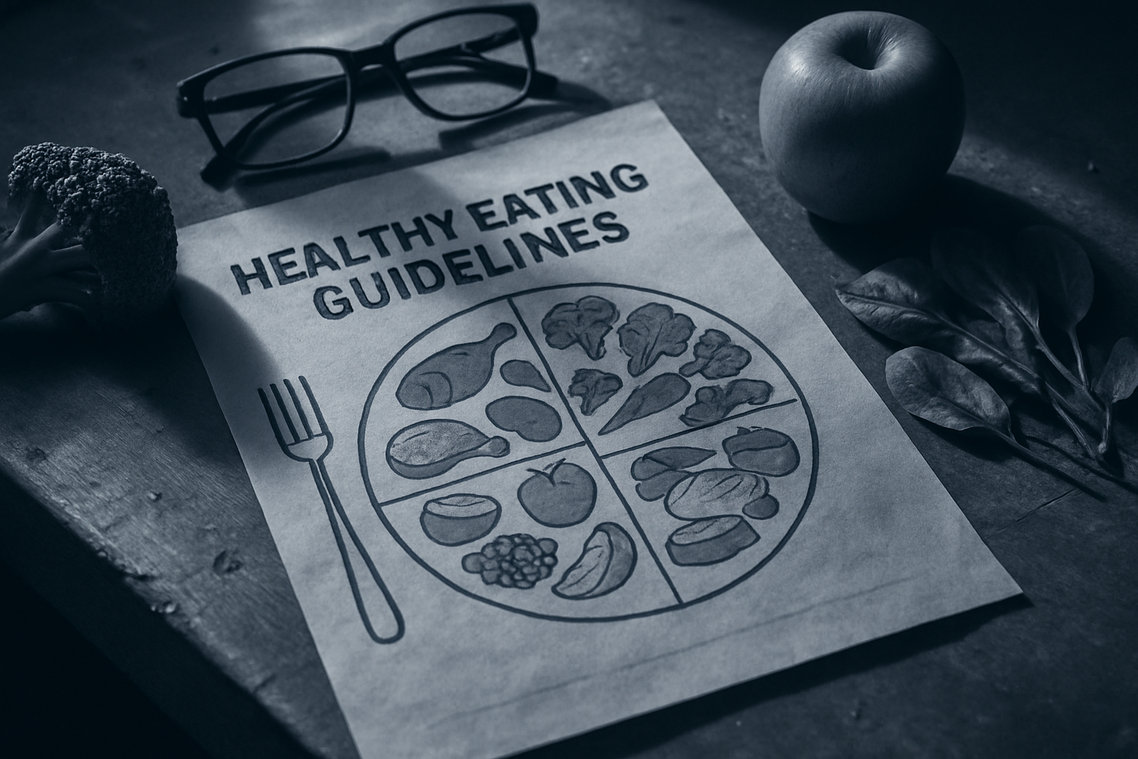
Fill half your plate with non-starchy vegetables. Broccoli, leafy greens, peppers, zucchini.
One quarter gets lean protein.
The last quarter? Complex carbohydrates.
No counting. No apps. Just eyeball it. (Yes, it really can be that simple.)
Practical Application
Start tomorrow morning with a protein-rich breakfast. Scrambled eggs with vegetables. Overnight oats with nuts.
Add a side salad to lunch and dinner. Even a small one counts.
When you’re looking for what are the best nutrition tips shmgnourishment, remember this: small changes stack up faster than you think. You don’t need to overhaul everything at once.
Just start with one meal today.
Hydration: The Overlooked Pillar of Health
When was the last time you actually thought about your water intake?
Most of us don’t. We grab coffee in the morning, maybe a soda at lunch, and wonder why we feel foggy by 3 PM.
Here’s what I know. Water does more than just quench your thirst. It keeps your metabolism running, helps transport nutrients to your cells, and keeps your brain working the way it should. Without enough of it, your energy tanks and your body struggles to do basic tasks.
So how much do you really need?
You’ve heard the “8 glasses a day” rule. But that’s not the whole story. Your needs change based on how active you are, where you live, and what your body’s telling you. If you’re working out hard or it’s hot outside, you need more. If you’re sitting at a desk all day in air conditioning, you might need less.
A better approach? Pay attention to your urine color (it should be pale yellow) and drink when you’re thirsty.
Want to make it easier? Carry a reusable bottle with you. Set reminders on your phone if you forget. Add some lemon or cucumber slices if plain water bores you.
What about coffee and tea? They count toward your hydration, despite what people say. Just watch the sugary drinks. Sodas and fruit juices pack calories without the benefits you get from shmgnourishment through whole foods and water.
(And yes, what are the best nutrition tips shmgnourishment often starts with this simple habit.)
Your body will thank you.
Mindful Eating: Reconnecting with Your Body’s Signals
You’ve probably eaten an entire meal while scrolling through your phone and barely tasted a bite.
I do it too. We all do.
But here’s what happens when you eat on autopilot. You miss the signals your body sends you. The ones that say “I’m full” or “I’m not actually hungry, just bored.”
Mindful eating isn’t a diet. It’s just paying attention while you eat. That’s it.
Sounds simple, right? But most of us haven’t eaten a truly mindful meal in years (maybe ever).
When you start eating with awareness, something shifts. Your digestion improves because you’re not wolfing down food in three minutes flat. You feel satisfied with less because you’re actually experiencing each bite. And you begin to tell the difference between real hunger and the urge to eat because you’re stressed or tired.
Here’s how to start:
1. Turn off the TV and put your phone in another room. I know this feels impossible at first. Do it anyway.
2. Chew slowly. Like, really slowly. Your food should be almost liquid before you swallow. This alone changes everything.
3. Use your senses. Look at the colors on your plate. Smell your food before you take a bite. Notice the texture as you chew. It sounds weird but it works.
4. Check in with your body. Before you eat, ask yourself how hungry you actually are. Halfway through your meal, pause and ask again. You might be surprised at what you discover.
This is one of the top healthy eating tips shmgnourishment experts recommend, and for good reason.
Start with one mindful meal this week. Just one. See what you notice.
Strategic Meal Planning and Smart Snacking
I was talking to a client last week who told me something I hear all the time.
“I don’t know why I keep grabbing junk food. I just get home and my brain stops working.”
Sound familiar?
Here’s what most nutrition advice gets wrong. They tell you to “just make better choices” without addressing the real problem. You’re tired. You’re hungry. And you’re staring at your empty fridge trying to figure out dinner.
Some people say meal planning is too rigid. That it takes the joy out of eating. That you should just listen to your body and eat what feels right in the moment.
I get where they’re coming from. Nobody wants to feel like a robot following a spreadsheet.
But here’s what they miss.
When you don’t plan, you’re not making free choices. You’re making desperate ones. That’s when the drive-through starts looking pretty good.
Meal planning isn’t about control. It’s about freedom.
You plan so you don’t have to think when you’re exhausted. You prep so healthy eating becomes the easy option instead of the hard one.
Start simple. Pick two or three breakfasts you actually like. Maybe it’s overnight oats, scrambled eggs, or Greek yogurt with fruit. Do the same for lunch and dinner.
Write a grocery list. Spend an hour on Sunday doing some basic prep (I usually wash vegetables and cook a batch of rice or quinoa).
That’s it.
One of my friends put it perfectly: “I used to spend 20 minutes every night staring into my pantry. Now I spend 20 minutes on Sunday and I’m done for the week.”
Now let’s talk about snacks.
Most people think snacking is the enemy. But smart snacking actually keeps your energy steady and stops you from showing up to dinner ready to eat everything in sight.
The key is choosing snacks that do something for you. Not just fill space.
Here’s what are the best nutrition tips shmgnourishment recommends:
- Greek yogurt with berries
- A small handful of almonds
- Apple slices with peanut butter
- Veggie sticks with hummus
Nothing fancy. Just real food that keeps you going until your next meal.
(Pro tip: prep your snacks when you prep your meals. Portion out nuts into small containers. Cut up vegetables. Make it easy to grab and go.)
The goal isn’t perfection. It’s progress.
Moderation, Not Deprivation: Limiting Processed Items
You don’t need to eat like a monk to be healthy.
I see this all the time. People go full extremist, cutting out every processed food, then burn out in three weeks and end up right back where they started.
Here’s what actually works.
The 80/20 Rule That Keeps You Sane
Focus on whole foods 80% of the time. The other 20%? Live your life.
This isn’t about being perfect. It’s about being consistent enough that it sticks. (Because what’s the point of a diet you can’t maintain?)
Some nutrition experts say you need to eliminate processed foods completely. They claim anything packaged will wreck your health and that moderation is just an excuse for weakness.
But that’s not realistic for most people.
What are the best nutrition tips shmgnourishment can offer? Start with reading labels like you actually care what’s in your food.
Flip that package over. Look for added sugars hiding under names like maltodextrin or rice syrup. Check the sodium count. If it’s over 20% of your daily value per serving, you might want to reconsider.
Most people never do this. They grab what looks healthy based on the front label and move on.
Simple Swaps You’ll Actually Use
Trade your sugary cereal for oatmeal with berries. Ditch the soda for sparkling water with lemon or lime.
Small changes add up faster than you think.
The goal isn’t perfection. It’s progress you can maintain without feeling like you’re missing out on why nutrition matters shmgnourishment in the first place.
Your Journey to Lasting Nourishment
You came here looking for what are the best nutrition tips shmgnourishment that actually work.
I get it. You’re tired of fad diets that promise everything and deliver nothing.
The confusion stops here. You now have a toolkit of practical tips that you can use to build a healthy and sustainable diet.
Moving beyond the confusion of fad diets is the first step. You’ve already taken it.
The key isn’t perfection. It’s a consistent focus on whole foods, hydration, mindful eating, and planning. That’s what creates real change.
Here’s what I want you to do: Pick one tip from this guide. Just one. Implement it this week.
Maybe it’s drinking more water. Maybe it’s meal prepping on Sunday. Whatever you choose, commit to it.
That single action creates a ripple effect. One good choice leads to another.
Start small. Start now. Your health will thank you for it.
 Lorven Dolthane is the founder of Shmgnourishment.com, a platform dedicated to advancing men’s health, nutrition, and lifestyle awareness. With a vision to simplify wellness for modern men, he established the brand to deliver practical, research-informed insights across fitness, diet, and everyday performance. His leadership is rooted in the belief that men deserve clear, actionable guidance to improve their physical health, mental resilience, and overall quality of life.