
You want to eat better. You know you should. But every time you start looking for answers, you get buried in contradictory advice.
One expert says carbs are the enemy. Another swears by them. Someone’s pushing intermission fasting while your coworker won’t shut up about their juice cleanse.
Here’s the real problem: you don’t need another diet. You need habits that actually stick.
I’m not here to sell you on some 30-day transformation or a meal plan you’ll hate by week two. This guide focuses on simple nutritional habits you can build into your life without turning everything upside down.
The best diet tips shmgnourishment offers aren’t about restriction. They’re about creating a sustainable relationship with food that works for how you actually live.
What you’ll find here is grounded in basic nutritional science, not the latest trend that’ll be forgotten by next year. Real strategies that fit into real life.
I’ll give you a clear roadmap with things you can start doing today. Not someday when you have more willpower or when life calms down.
Today.
Because improving how you eat shouldn’t require a complete life overhaul. It just requires knowing what actually works.
The Foundation: Understanding Your ‘Why’ for Lasting Change
Let me ask you something.
Why do you really want to eat better?
And no, “to lose weight” doesn’t count. That’s what you think you’re supposed to say (we’ve all been there).
I’m talking about the real reason. The one that gets you out of bed when your alarm goes off for that morning walk.
Here’s what most people get wrong. They think healthy eating is about punishment. Like you did something bad and now you have to suffer through salads for the rest of your life.
That’s backwards.
It’s Actually About Feeling Human Again
Think about the last time you ate really well for a few days. Not perfect. Just better than usual.
You probably slept like you were supposed to. Your brain worked without that 3pm fog rolling in. You had energy that didn’t come from your third coffee.
That’s what best diet tips shmgnourishment is really about. Getting back to baseline human function.
The scale? That’s just a side effect of treating your body like it matters.
Now here’s the part that actually works. Small stuff that stacks up over time. I call it compounding habits because it works like compound interest (except you’re investing in not feeling like garbage).
Add some vegetables to one meal today. Do it again tomorrow. That’s it.
You’re not overhauling your entire life. You’re just making one choice that doesn’t suck. Then another one. Before you know it, you’ve built something real.
Your personal why is what keeps you going when motivation disappears. And trust me, it will disappear. Probably next Tuesday around 4pm when someone brings donuts to the office.
So figure out what yours is. Write it down if that helps. Just make sure it’s yours and not something you borrowed from an Instagram post.
Step One: Master Mindful Eating to Reconnect with Your Body
I used to eat an entire sandwich without tasting a single bite.
I’d be halfway through my lunch before I even realized I was chewing. My eyes were on my phone or my laptop and my mind was somewhere else entirely.
Sound familiar?
Here’s what nobody tells you about mindful eating. It’s not some meditation practice where you need to sit in silence for an hour. It’s just paying attention to what you’re actually doing while you eat.
That’s it.
When you tune into the experience of eating, something shifts. You start noticing when you’re full. You taste your food instead of just consuming it. And weirdly enough, you end up wanting less of the stuff that doesn’t serve you.
The 20-Minute Pause
Your stomach needs about 20 minutes to tell your brain it’s had enough.
Twenty minutes.
But most of us finish eating in ten. Maybe less if we’re really distracted.
I started putting my fork down between bites. Sounds simple but it changed everything. When I slowed down, I actually felt satisfied with less food. My body finally had time to catch up with what I was doing.
Try it. Take smaller bites and chew more. You’ll notice the difference.
Create a No-Screen Zone
This one’s tough because we’re all glued to our devices.
But eating while scrolling through Instagram or watching Netflix? You might as well be eating with your eyes closed. You miss every signal your body sends about fullness and satisfaction.
I made a rule for myself. No screens during meals. Just me and my food.
At first it felt weird. Almost uncomfortable. But then I started actually tasting what I was eating. I noticed textures I’d ignored for years.
The best diet tips shmgnourishment can offer start with this simple shift.
Focus on Texture and Taste
When was the last time you really savored your food?
Not just liked it. Actually paid attention to how it felt in your mouth and what flavors came through.
I started asking myself questions while eating. Is this crunchy or soft? Sweet or savory? Do I actually like this or am I just eating it because it’s there?
Turns out when you truly enjoy your food, you need less of it to feel satisfied. And those cravings for junk? They start fading because you’re getting real satisfaction from what you eat.
The Blueprint: How to Build a Perfectly Balanced Plate
Forget calorie counting apps and complicated meal plans.
I’m going to show you something simpler. Something you can actually use every single day without pulling out your phone or doing math.
It’s called the Plate Method.
Look at your plate. That’s it. That’s your measuring tool.
Some nutritionists will tell you this approach is too basic. They say you need precise macros and tracking to see real results. And sure, that works for some people (usually the ones who enjoy spreadsheets).
But here’s what they’re missing. Most of us don’t need perfect. We need sustainable.
I’ve watched people burn out on tracking every gram of food within weeks. Then they go right back to eating whatever because the system was too much work.
The nutrition guide shmgnourishment approach is different. You can eyeball it and still get it right.
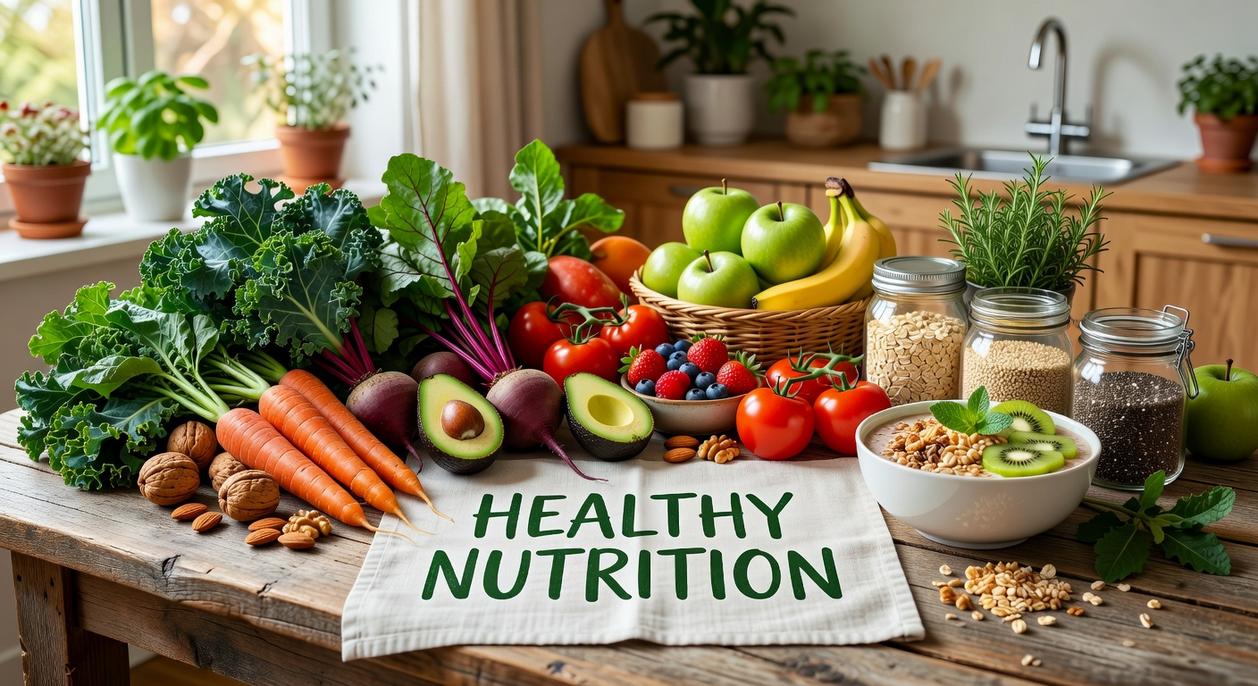
Half your plate should be vegetables. I’m talking non-starchy ones. Broccoli, spinach, peppers, zucchini. They’re packed with fiber and nutrients that actually keep you full. Not the fake full you get from processed snacks.
A quarter goes to lean protein. Chicken breast, salmon, black beans, lentils, tofu. Pick what you like. Protein repairs your muscles and stops you from raiding the pantry an hour after dinner.
The last quarter is for complex carbs. Not the white bread kind. I mean quinoa, sweet potatoes, brown rice, oats. These give you energy that lasts instead of spiking your blood sugar and crashing you thirty minutes later.
Now here’s what most people forget.
You still need healthy fats. Your hormones need them. Your brain needs them. Add some avocado, toss in nuts, drizzle olive oil on those vegetables.
This is one of the best diet tips shmgnourishment offers because it works in real life. No apps required.
Navigating the In-Between: Smart Snacking & Hydration
Let’s talk about snacks.
Most people treat them like mini rewards. Something to grab when you’re bored or stressed or just walking past the pantry.
But that’s not what a snack is supposed to be.
A snack is a tool. It manages hunger between meals and keeps your energy steady. That’s it.
Some nutrition experts say you shouldn’t snack at all. They claim three square meals is enough and anything extra just adds calories you don’t need.
Here’s where I disagree.
If you’re going six hours between lunch and dinner, your blood sugar tanks. You get tired and cranky. Then you overeat at dinner because you’re starving.
Research from the American Journal of Clinical Nutrition shows that well-timed snacks can actually improve metabolic health when they’re done right (Johnston, 2014). The key is what you’re eating.
I follow a simple formula: Protein + Fiber.
This combination keeps you full and prevents blood sugar spikes. An apple with almond butter. Greek yogurt with berries. Carrots with hummus.
These aren’t just top healthy eating tips shmgnourishment throws around. They work because the protein slows digestion while fiber keeps things moving.
Now here’s something most people miss.
You’re probably not even hungry. You’re thirsty.
A study in Physiology & Behavior found that 37% of people mistake thirst for hunger because the signals feel similar (Popkin, 2010). Your body sends the same alert for both.
I keep a reusable water bottle with me everywhere. When I think I want a snack, I drink water first and wait ten minutes.
Half the time? The craving disappears.
Set hourly reminders on your phone if you need to. Or infuse your water with lemon or cucumber if plain water bores you.
Your body needs water to function. When you’re dehydrated, everything slows down. You feel tired and reach for food when what you really need is hydration.
Making It Stick: Overcoming the 3 Most Common Hurdles
I’ve screwed this up more times than I can count.
You know what happens? You start strong. You’re eating clean for a week, maybe two. Then life hits and suddenly you’re back where you started.
I used to think it was a willpower problem. Turns out, it was a planning problem.
Let me walk you through the three hurdles that trip up almost everyone. And yeah, I’ve face-planted on all of them.
Hurdle #1: “I don’t have time”
This was my go-to excuse for years.
Here’s what I learned. You don’t need to spend hours in the kitchen every night. You just need to think differently about when you cook.
I started batch-cooking grains on Sunday. Rice, quinoa, whatever. Takes 30 minutes and you’re set for the week. Pre-chop your vegetables while you’re watching TV (or let’s be honest, scrolling your phone). Toss everything in a slow cooker before work and come home to dinner that’s already done.
The best diet tips shmgnourishment taught me was this: cooking once and eating three times beats cooking from scratch every single night.
Hurdle #2: “I have uncontrollable cravings”
I used to white-knuckle my way through cravings. Guess how that ended?
Face-first in a pint of ice cream at 10 PM.
The 80/20 principle changed everything for me. Eat well 80% of the time and the other 20%? Plan your indulgences. Want pizza on Friday? Have it. Just don’t let it turn into pizza all weekend because you already “ruined” your progress.
That deprivation-binge cycle is real. I lived it for years before I figured out that planned treats actually keep you on track.
Hurdle #3: “Social events wreck my progress”
This one almost made me give up completely.
Every dinner out felt like a test I was failing. But then I realized something. The problem wasn’t the restaurant. It was showing up unprepared and making panic decisions when I was already hungry.
Now I check the menu online before I go. I know what I’m ordering before I sit down. I ask for grilled instead of fried. Sauces on the side. Simple stuff that doesn’t make you the annoying person at the table.
Here’s a quick comparison of what I used to do versus what works:
| Old Approach | What Works Now |
|————–|—————-|
| Wing it at restaurants | Check menu beforehand |
| Avoid all treats | Plan indulgences (80/20) |
| Cook every meal fresh | Batch-cook staples weekly |
| Fight cravings constantly | Build them into my plan |
Look, none of this is perfect. I still mess up. Last Tuesday I ate gas station food because I forgot to prep anything.
But that’s the point. You don’t need perfect. You just need a system that works when life gets messy.
Your Journey to Better Nutrition Starts Now
You wanted a clear path to better eating habits without the confusion.
You have that now.
I know the overwhelm is real. Every expert has a different opinion and the rules keep changing.
But here’s the truth: you don’t need a perfect diet. You need small actions that stick.
The best diet tips shmgnourishment can offer come down to two things. Mindful eating and building a balanced plate. These aren’t sexy but they work.
Start with awareness. Notice what you eat and how it makes you feel. Then adjust your plate to include protein, vegetables, and whole grains.
That’s it.
You don’t need to overhaul everything at once. Pick one tip from this guide and practice it for the next week.
Just one.
Consistency beats perfection every time. Small changes add up faster than you think.
Your next meal is a chance to practice. Take it.
 Lorven Dolthane is the founder of Shmgnourishment.com, a platform dedicated to advancing men’s health, nutrition, and lifestyle awareness. With a vision to simplify wellness for modern men, he established the brand to deliver practical, research-informed insights across fitness, diet, and everyday performance. His leadership is rooted in the belief that men deserve clear, actionable guidance to improve their physical health, mental resilience, and overall quality of life.