
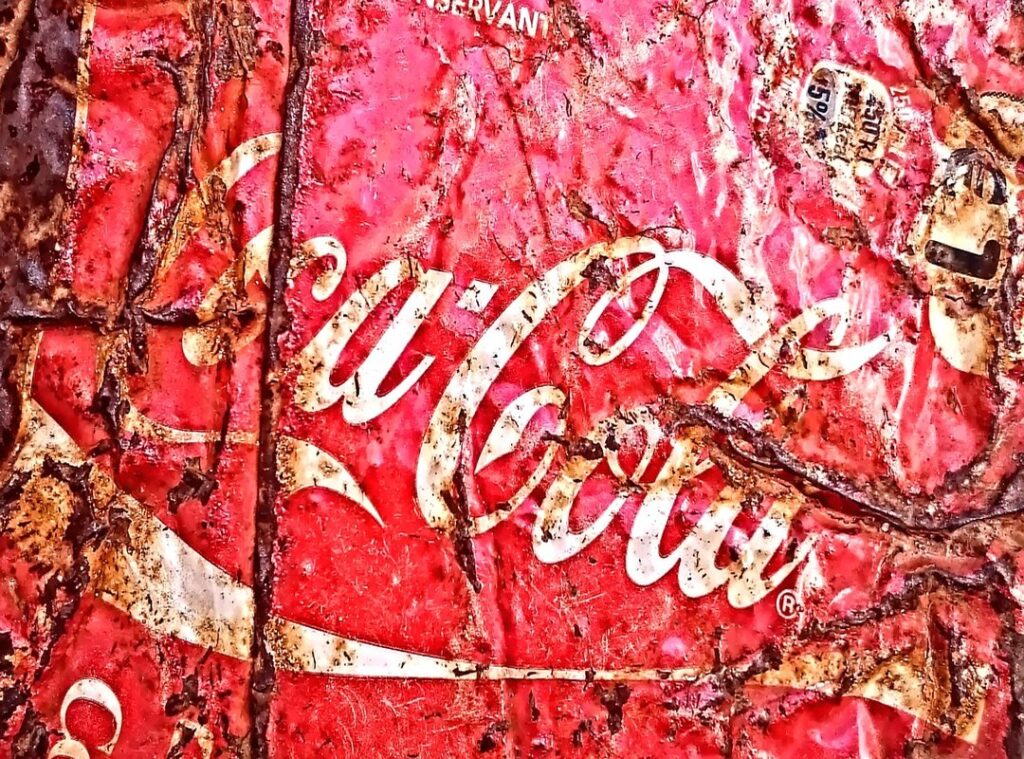
Can logos be similar? Yeah. But that doesn’t mean they should be.
I’ve seen too many small businesses get hit with cease-and-desist letters over logo choices they thought were harmless.
Can Logos Be Similar Flpstampive. That phrase pops up when someone’s already in trouble. Or worse, when they’re about to be.
You’re not just copying a shape. You’re risking your brand name. Your domain.
Your bank account.
Trademark law isn’t about identical logos. It’s about confusion. Will customers mix up your coffee shop with the one down the street?
Will they think your app is made by the same company as that popular tool you admire?
If yes (you’re) in danger.
This isn’t theoretical. I’ve watched founders rebrand twice because their first logo looked just enough like another to trigger a lawyer’s call.
We’ll break down what “too similar” really means. No legalese. No fluff.
Just plain examples and clear lines.
You’ll learn how to spot red flags before you pay a designer or file a trademark.
You’ll understand why changing one color or flipping a symbol often isn’t enough.
And you’ll walk away knowing exactly what to check. Fast, free, and without hiring counsel.
What Makes Logos “Too Similar”?
I’ve seen clients panic over a logo that shares one color with a competitor.
They ask: Is this lawsuit bait?
No. It’s about confusion (not) copycats.
Can Logos Be Similar Flpstampive? Flpstampive digs into how courts actually decide.
Courts don’t care if logos look almost the same.
They ask: Will a real person walking past a store, scrolling online, or hearing a name out loud mix them up?
That’s “likelihood of confusion.”
It’s the only test that matters in court.
Visuals matter—yes (but) not alone. A red apple logo for Apple Computers and a red apple logo for Tony’s Fruit Stand? Fine.
Same industry? Same customers? That’s trouble.
Sound counts too. “Stella Artois” and “Stella Rosa” sound alike. Both wine. Confusion risk goes up.
Meaning matters most. Two mountain logos for hiking gear? Risky.
Same mountain logo for hiking gear and a law firm? Probably fine.
You’re not designing in a vacuum. Who sees it? Where?
What do they expect?
If your customer is a tired parent grabbing snacks at 7 p.m., they won’t squint at font kerning.
They’ll grab what feels familiar.
That’s where confusion lives.
Not in design specs. In the real world.
How Trademarks Actually Protect Your Logo
A trademark is just a legal shield for your logo, name, or slogan.
It says this belongs to me (and) only me. For specific stuff I sell.
I filed for my coffee shop logo in 2019. Two months later, a café three blocks away used something almost identical. I showed them my registration certificate.
They changed it the next day.
That ® symbol? It means you registered with the USPTO. The ™ symbol?
You’re just claiming it. No paperwork. No real teeth.
Trademark law stops others from copying your logo if it confuses customers. Did someone see their logo and think it was mine? Then it’s trouble.
If not? Probably fine. Courts decide case by case.
Rights aren’t universal. Nike owns that swoosh for shoes and apparel (but) not for plumbing services. You can’t own a word or shape forever.
Just in your lane.
Can Logos Be Similar Flpstampive?
Only if they don’t trick people into thinking they’re from the same place.
I’ve seen small businesses get sued over font tweaks. Others win because their customer base is totally different. It’s not about looks alone.
It’s about who walks in the door expecting what.
Why Your Logo Looks Like Everyone Else’s

I’ve seen it a hundred times. A lightbulb. A leaf.
A swoosh. A mountain.
You know the ones.
They’re everywhere because they’re easy.
And easy is dangerous.
Designers grab those symbols thinking “this means innovation” or “this says eco-friendly”. But symbols like that are dead on arrival. They don’t say you.
They say everybody.
Then there’s the trend trap. Flat design. Brutalism. 3D gradients.
I watched half the design world jump on one bandwagon. Then another (then) another. Same fonts.
Same spacing. Same “vibe”. It’s not original.
It’s just late.
Research? Most skip it. Or do a lazy Google Images search and call it done.
You wouldn’t launch a product without checking competitors. So why design a logo without it?
Inspiration is fine. Copying is not. If your sketch looks like three other logos you saw last week.
You haven’t transformed it enough.
Ask yourself: What makes this mine?
Not “what’s safe?” Not “what’s trendy?” But what’s true?
Can Logos Be Similar Flpstampive? Yes. And they are (every) day.
That’s why I use Logo Directories Flpstampive before I start. It’s not about avoiding similarity. It’s about earning difference.
You want to stand out? Stop reaching for the obvious. Start digging deeper.
Before You Lock In Your Logo
I check for logo similarity like I check for mold under the sink. You look hard. You look twice.
First, Google Images. Type in your concept. See what pops up.
Then USPTO TESS. Yes, it’s clunky. Yes, you need to learn how to search properly.
(Spoiler: broad terms fail.)
Don’t just hunt for identical logos. Look for shapes that echo yours. Colors that feel too familiar.
Concepts that whisper “I’ve seen this before.”
Ask real people: Does this remind you of anything? Not “Do you like it?” (that’s) useless. You want gut reactions.
Make at least three versions that feel meaningfully different. Not just color swaps. Not just font tweaks.
Actual structural shifts. Then pick the one that stands furthest from everything else.
If you’re serious about trademarking? Talk to an IP lawyer before you print business cards. Not after.
Not when someone emails you a cease-and-desist.
And if you want more places to scan for visual matches? Try the Free Logo Directories Flpstampive.
Can Logos Be Similar Flpstampive? Yes. But that doesn’t mean you have to be one of them.
Your Logo Isn’t Just Art. It’s Legal Armor
I’ve seen too many small businesses get hit with a cease-and-desist over a logo that felt original. It didn’t matter how much they loved it. Or how long they’d used it.
What mattered was whether someone else owned it first.
Can Logos Be Similar Flpstampive (yes,) but only up to a point. That point isn’t about taste. It’s about confusion.
If a customer squints and wonders “Wait (is) that their brand?” you’re already in trouble.
You don’t need a law degree to protect yourself. You do need to check before you commit. Search the USPTO database.
Look at competitors and adjacent industries. Ask yourself: “Would I mistake this for someone else’s logo?”
Uniqueness isn’t about being weird.
It’s about being unmistakably yours.
You built this brand. You poured time into it. Don’t let a sloppy logo design undo all that work.
So stop guessing. Stop hoping it’ll be fine. Start verifying.
Take these steps now. Not after the email lands in your inbox. Make your logo great and legally safe.
Make it truly yours.
Go run that search.
Today.
 Mynvox Gleam is a health and fitness contributor focused on performance-driven living and strength development. His writing dives into effective workout routines, energy optimization, and nutritional strategies designed to help men maximize their physical potential. He combines analytical thinking with practical application, ensuring his content is both informative and easy to implement.