
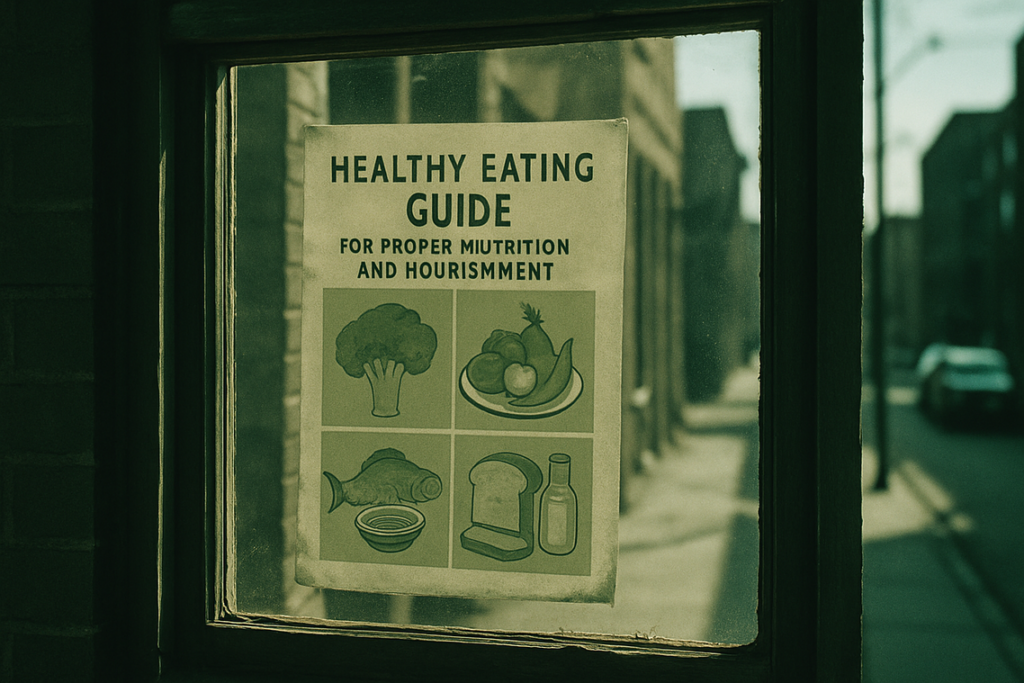
I’ve seen too many people waste years jumping from one diet to another without getting anywhere.
You’re probably tired of conflicting advice. One expert says carbs are the enemy. Another says fat is killing you. Someone else swears by eating only between noon and 6 PM.
It’s exhausting.
Here’s the truth: the basics of good nutrition haven’t changed. What has changed is how buried they’ve become under marketing hype and quick-fix promises.
This nutrition guide shmgnourishment strips away the confusion. I’m going to show you what actually works for building lasting health.
We focus on principles backed by established science, not whatever diet is trending this month. The kind of information that’s been true for decades and will still be true decades from now.
You’ll learn how to eat in a way that gives you more energy, helps you maintain a healthy weight, and actually fits into your real life.
No meal plans that require a personal chef. No supplements that cost more than your grocery bill.
Just clear steps you can start using today to feel better and build the kind of health that lasts.
The Core Three: Understanding Macronutrients
You’ve probably heard people throw around terms like macros or protein goals.
But what does that actually mean for your plate?
I’m going to break down the three macronutrients your body needs. Not because you need to count every gram (though some people do). But because understanding what each one does helps you make better food choices.
Protein: The Builder
Your body uses protein for more than just building muscle. It repairs tissue, keeps your immune system running, and helps you feel full longer.
That last part matters. Protein keeps you satisfied between meals, which means you’re less likely to reach for snacks you don’t really want.
Good sources include lean meats, fish, beans, lentils, and tofu. Pick what works for your diet and budget.
Carbohydrates: The Fuel
Here’s where people get confused.
Not all carbs are the same. Complex carbs from whole grains and vegetables give you steady energy throughout the day. Simple carbs spike your blood sugar fast and leave you crashing an hour later.
Go for the fiber-rich options when you can. Your energy levels will thank you.
Fats: The Supporter
Some people still think fat makes you fat. It doesn’t work that way.
Healthy fats from avocados, nuts, seeds, and olive oil support your brain, help produce hormones, and let your body absorb certain vitamins. You actually need them.
What you want to limit? Saturated and trans fats. Check your nutrition guide shmgnourishment for specifics on amounts.
The truth is, your body needs all three macronutrients to function. Cut one out completely and you’ll feel it.
Micronutrients: The Spark Plugs of Your Body
Ever wonder why you can eat enough calories but still feel off?
Like something’s missing even though you’re technically fed?
That’s usually micronutrients talking.
Think of them as the behind-the-scenes crew that makes everything work. You’ve got macronutrients (protein, carbs, fat) doing the heavy lifting. But without vitamins and minerals? Nothing runs right.
Your body needs these tiny nutrients for energy production, immune defense, and basically every cellular process that keeps you alive. They don’t provide calories, but try going without them and you’ll notice fast.
Here’s what most people get wrong.
They think popping a multivitamin covers it. But your body absorbs nutrients from whole foods way better than synthetic versions (and the research backs this up).
The simplest approach?
Eat the rainbow. I know it sounds like something from a kids’ nutrition poster, but it works. Different colors in fruits and vegetables signal different micronutrients. Red tomatoes give you lycopene. Orange carrots pack beta-carotene. Dark leafy greens deliver folate and iron.
When you rotate through colors throughout the week, you naturally cover your bases without overthinking it.
A few key players worth knowing:
-
Vitamin D keeps your bones strong and your immune system ready. Most people don’t get enough, especially if you work indoors.
-
Iron carries oxygen to your cells. Low iron means low energy, plain and simple.
-
Magnesium helps your muscles relax and supports hundreds of biochemical reactions. It’s why some people sleep better after adding magnesium-rich foods.
The nutrition guide shmgnourishment approach focuses on getting these from real food first.
Does that mean supplements never have a place? No. But food should be your foundation.
Your body knows what to do with an apple. A pill? That’s more complicated.
Building Your Optimal Plate: A Simple Visual Guide

You don’t need to count every calorie.
I know that sounds too good to be true. But research from the American Diabetes Association shows that the plate method works just as well as traditional calorie counting for weight management and blood sugar control.
The concept is dead simple. You look at your plate and divide it into sections.
Here’s how it breaks down.
Half your plate goes to non-starchy vegetables. I’m talking leafy greens, broccoli, peppers, cauliflower, zucchini. The stuff that fills you up without spiking your blood sugar.
A quarter of your plate is for lean protein. Chicken, fish, tofu, eggs. Whatever works for you. Protein keeps you full and helps maintain muscle mass (which matters more than most people think).
The final quarter? That’s your complex carbs. Quinoa, sweet potato, brown rice, whole grain pasta. These give you energy without the crash you get from refined carbs.
Then add a thumb-sized portion of healthy fat. Avocado, olive oil, nuts. Speaking of nuts, if you’re curious about which nut helps you sleep shmgnourishment, that’s worth checking out.
Why does this work?
A 2019 study in the Journal of Nutrition Education and Behavior found that people using the plate method ate 23% more vegetables and reduced their calorie intake by an average of 200 calories per day without feeling restricted.
You’re not measuring. You’re not tracking. You’re just looking at your plate and making sure the proportions make sense.
I use this nutrition guide shmgnourishment approach with clients who feel overwhelmed by traditional dieting. Most of them get it right within a week.
Hydration: The Overlooked Pillar of Wellness
I’m going to be honest with you.
Most people don’t drink enough water. And I’m not just talking about being a little thirsty. I mean they’re walking around dehydrated every single day without realizing it.
Here’s what gets me. We obsess over the perfect best diet tips shmgnourishment while ignoring the simplest thing that actually moves the needle.
Water.
When you’re properly hydrated, your energy doesn’t crash at 2 PM. Your brain works better. Your digestion runs smoother. Even your skin looks different (and I know that sounds like something from a beauty ad, but it’s true).
Some experts say you need exactly eight glasses a day. Others push ten or more.
But that’s where I disagree with the one-size-fits-all approach. If you’re sitting in an air-conditioned office all day, you need less than someone running outside in July. Your body tells you what it needs if you actually listen.
So what do I do? I keep a water bottle with me. Always. When plain water gets boring, I toss in some lemon or cucumber. Makes it easier to drink throughout the day.
And here’s something most people miss. You can eat your water too. Cucumber and watermelon are mostly water. They count toward your nutrition guide shmgnourishment goals.
The point is simple. Before you buy another supplement or try another diet, just drink more water. It’s the easiest win you’ll get.
Beyond Food: Lifestyle Factors That Influence Nutrition
You already know what to eat.
But you’re still not seeing the results you want. And I bet you’re wondering why your friend eats the same way you do but looks completely different.
Here’s what most nutrition guides miss.
Food is only part of the equation.
Your body doesn’t process nutrients in a vacuum. How you sleep, how stressed you are, how much you move… all of it changes what your body does with the food you eat.
The sleep piece is huge.
When you don’t sleep enough, your body cranks up ghrelin (the hunger hormone) and suppresses leptin (the one that tells you you’re full). That’s why you crave junk after a bad night. It’s not willpower. It’s biology.
Some people say stress doesn’t really affect digestion that much. That it’s all about calories in and calories out.
But chronic stress literally shuts down your digestive system. Your body can’t absorb nutrients properly when it thinks you’re running from a bear. The nutrition guide shmgnourishment approach recognizes this connection.
And movement? It’s not just about burning calories.
Regular activity improves insulin sensitivity. That means your body actually uses the nutrients you consume instead of storing everything as fat.
So what does this mean for you?
Start tracking your sleep alongside your meals. Notice how your food choices change after a rough night. Move your body in ways that feel good. Find what helps you manage stress (and no, scrolling your phone doesn’t count).
Because the best diet in the world won’t work if everything else is working against you.
Your Journey to Optimal Health Starts Now
You came here confused about what to eat and how to actually nourish your body.
I get it. Diet culture makes everything complicated when it doesn’t need to be.
Now you have a complete foundation. You understand how macronutrients work together, why micronutrients matter, and how hydration and lifestyle habits support everything else.
This isn’t about following the next trending diet. It’s about building sustainable habits that actually work for your life.
You don’t need to overhaul everything overnight. Start with your next meal.
Use the Plate Method: half your plate with vegetables, a quarter with protein, a quarter with whole grains. Add a serving of healthy fat. That’s it.
The nutrition guide shmgnourishment gives you the tools to make informed choices without the confusion. You have what you need to move forward.
Stop second guessing every food decision. Apply these principles consistently and watch how your body responds.
Your path to wellness starts with the next choice you make.
 Lorven Dolthane is the founder of Shmgnourishment.com, a platform dedicated to advancing men’s health, nutrition, and lifestyle awareness. With a vision to simplify wellness for modern men, he established the brand to deliver practical, research-informed insights across fitness, diet, and everyday performance. His leadership is rooted in the belief that men deserve clear, actionable guidance to improve their physical health, mental resilience, and overall quality of life.